
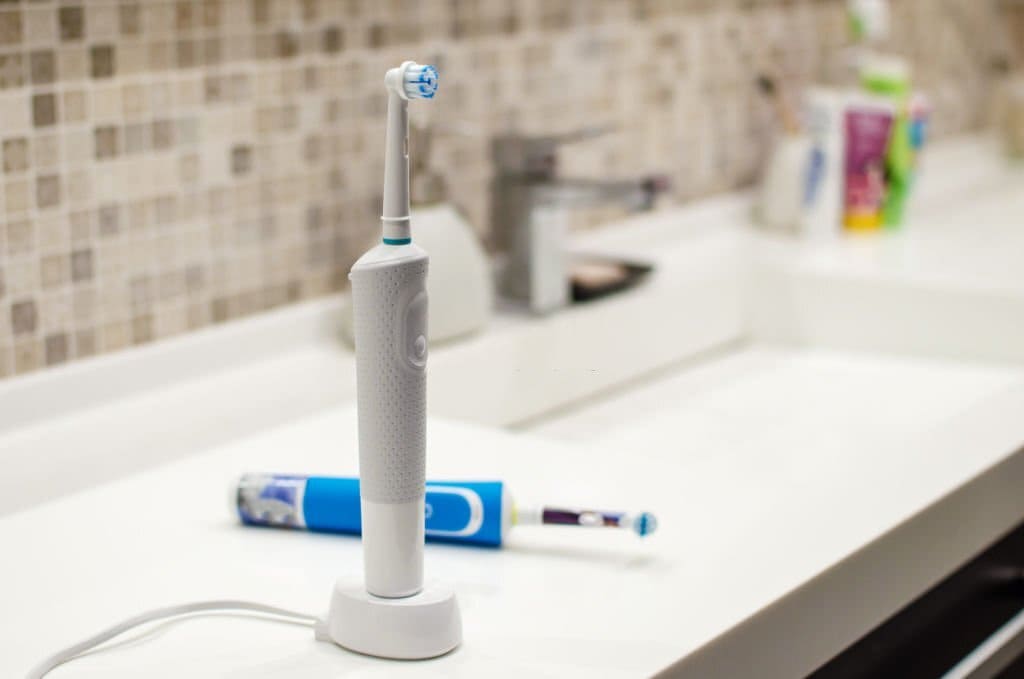
The best electric toothbrush allows you to maintain good oral hygiene or oral health than the regular toothbrush. As we move towards a more technology-driven world, even the dental care industry has taken a technological turn with electric toothbrushes and it works at its best. Unlike manual toothbrushes, these rechargeable electric toothbrushes typically use sonic vibration for brushing teeth which cleans deeper and promote gum health.
The best electric toothbrushes have many features that include multiple brushing modes, automatic timers, pressure sensors, app compatibility (to track your brushing habits over time), interchangeable brush heads, and rechargeable batteries. However, with so many options for electric toothbrushes out there, from the brands like Philips to Oral B, it is always difficult to make a choice. Here is the list of the very best electric toothbrushes to buy in India.
Our Top Picks for Best Electric Toothbrush in India
1. AquaSonic Ultra Whitening Rechargeable Toothbrush
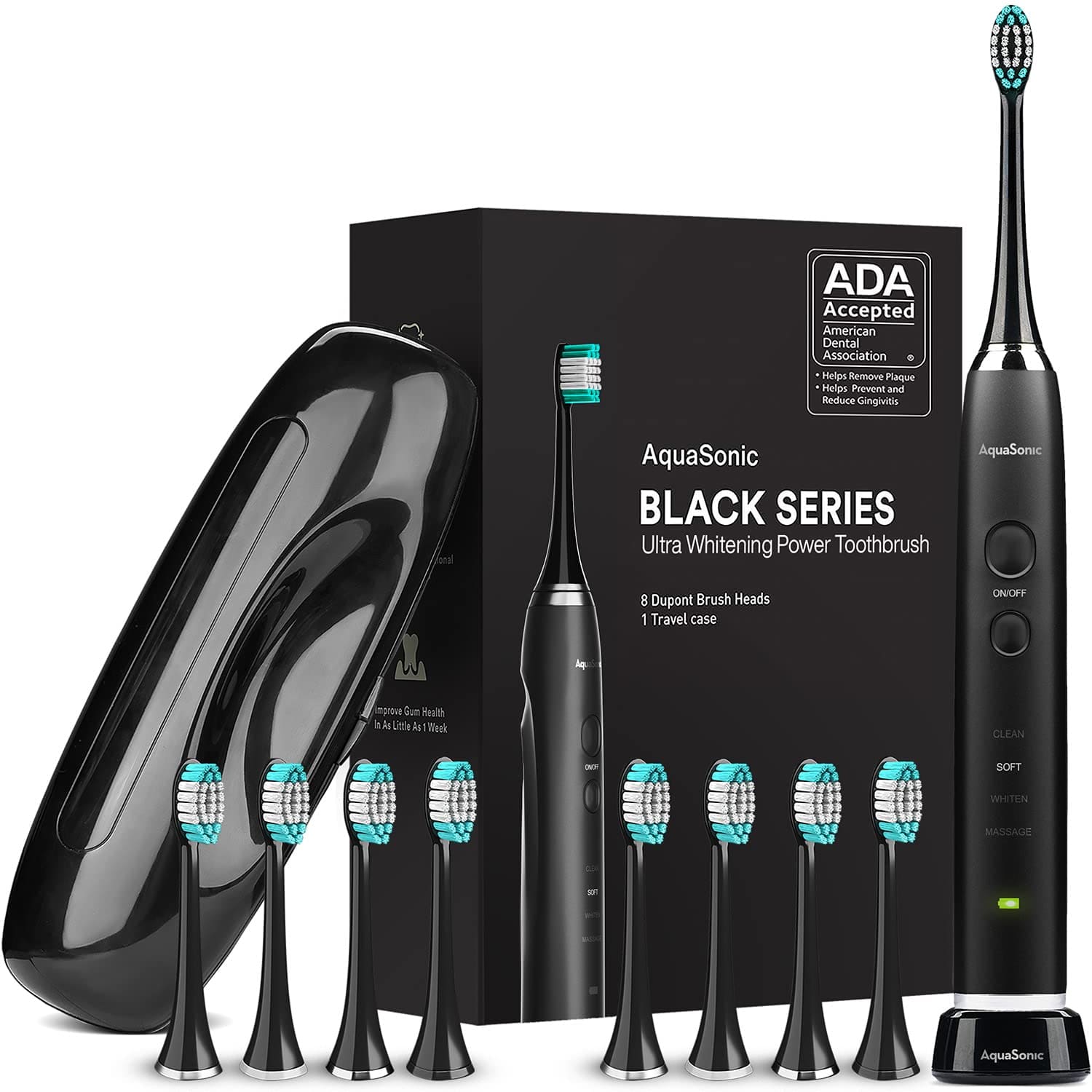
Aquasonic Black Series is the best electric toothbrush for starters, not only in terms of its performance but also in terms of its usability. It is an ADA-approved (American Dental Association) device that combines powerful sonic vibration with an advanced whitening system to deliver professional-level cleaning and whitening in the comfort of your own bathroom.
The toothbrush features a 40,000-vibration-per-minute motor, which delivers powerful but gentle vibrations that penetrate deep into your teeth and gums to remove plaque and bacteria. It comes with 8 brush head replacements that can provide a minimum of two years of service if replaced every three months, and this is something that most other electric toothbrushes do not offer.
Additionally, it is designed with 4 distinct brushing modes; clean, soft, whitening, and massage, you can feel the difference when there is a change in the cleaning modes. The toothbrush timer ensures that you brush for the recommended minutes and with a Lithium-ion battery the toothbrush can last up to 15 days on one charge.
2. Oral B Pro 1000 Power Electric Toothbrush
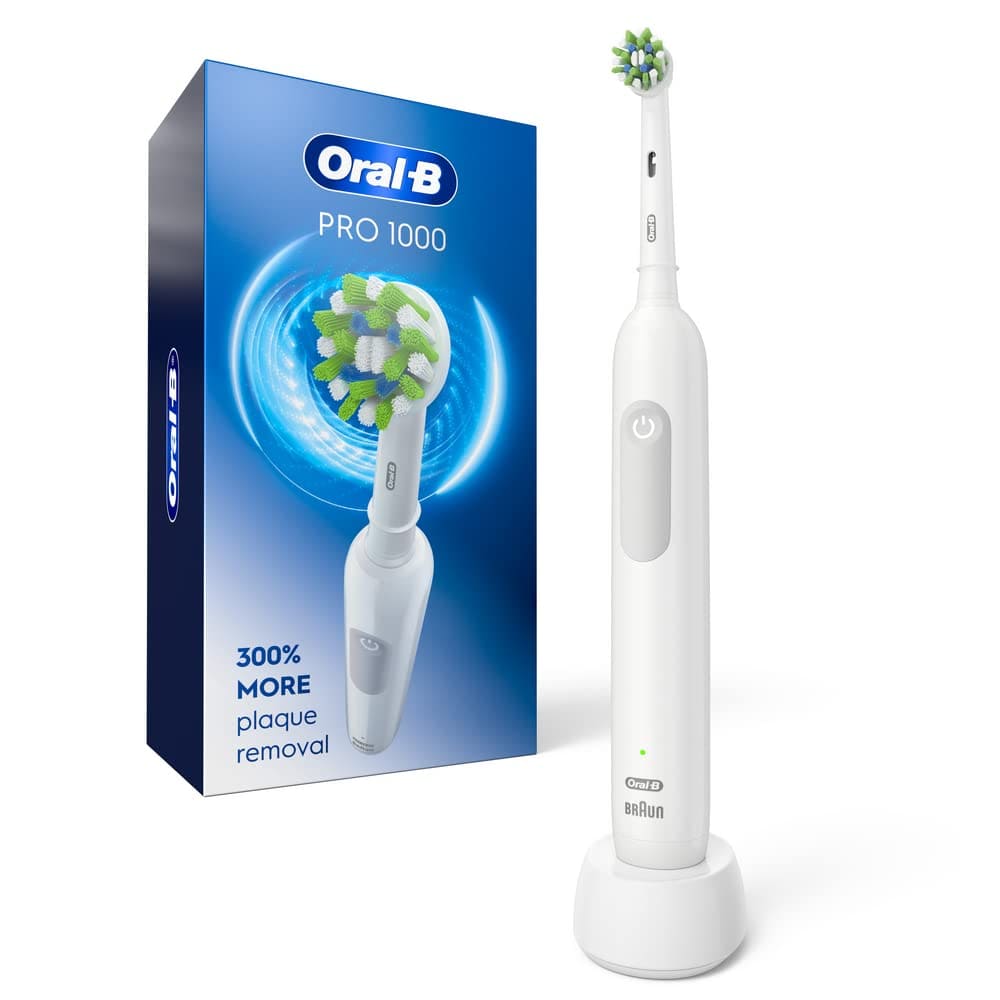
Oral-B Pro 1000 rechargeable electric toothbrush is the best electric toothbrush you can get at this price point. This basic model does not have as many features as more advanced models, but it strikes a perfect balance between functionality and value.
It features a simple quadrant timer that ensures that all areas of the mouth are being cleaned, as well as a useful pressure sensor that indicates when you are brushing too hard or not hard enough. You can use it twice a day for two minutes of brushing, and it will last up to a week before needing to be recharged. If you are looking for an electrical toothbrush to enhance your oral hygiene regimen, this model is one of the best choices to consider.
This toothbrush works with all types of brush heads from Oral-B. This means that you can upgrade or customize your toothbrush by ordering more specialized brush heads.
3. Philips Sonicare Protective Clean 4100
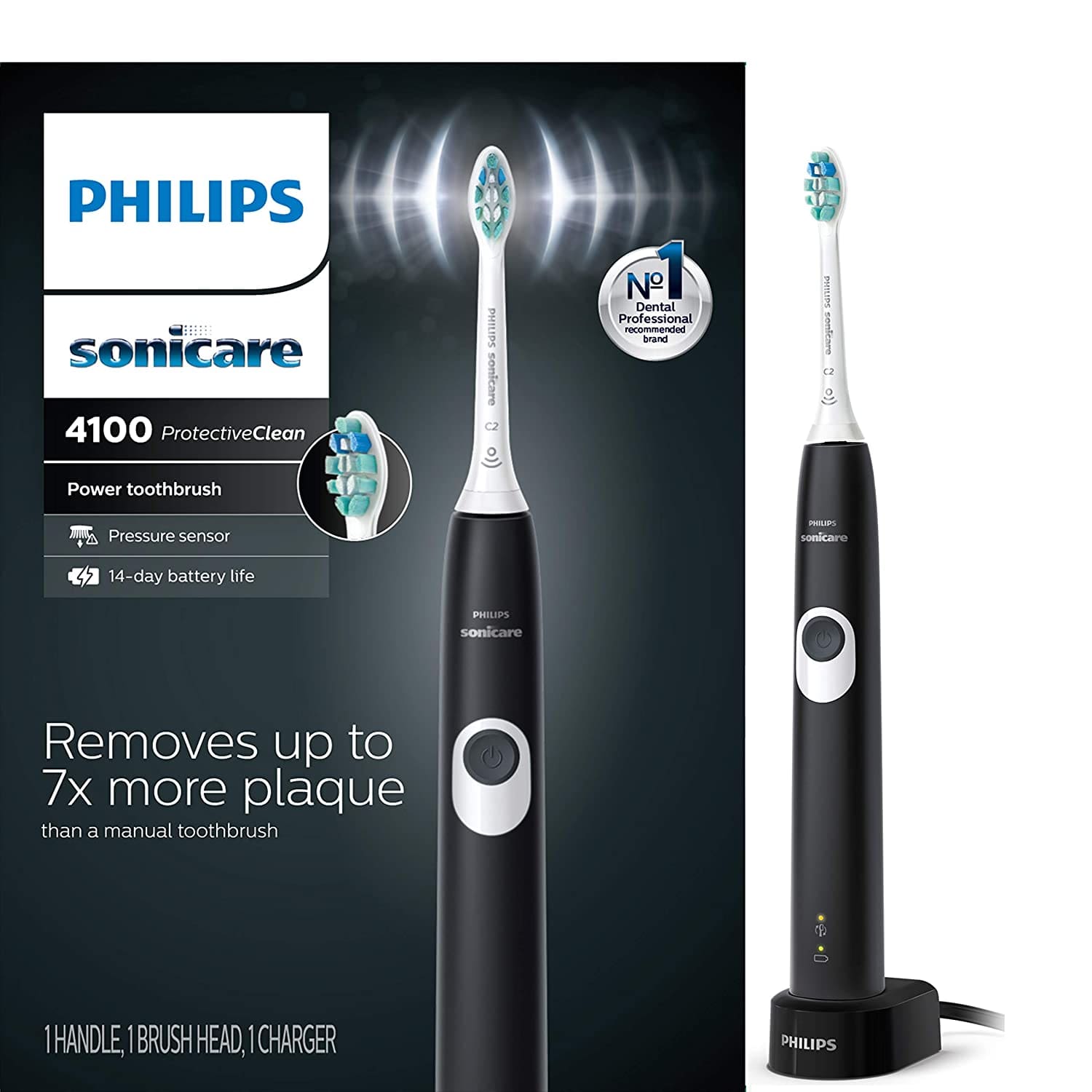
Philips Sonicare Protective Clean 4100 is the best electric toothbrush for an affordable price. Philips is one of the oldest brands and this toothbrush is simple, comfortable, and efficient as the costliest models in the market. The features such as the pressure sensor and timer make a big difference compared to manual toothbrushes. It has an oblong brush head, which means it is flat and not round (like many other electric toothbrushes).
It has got lots of different types of bristles, so it can get into all the hard-to-reach places between teeth, and it has got the perfect blend of being gentle but firm enough to give your teeth a super clean feel after you brush. It offers two intensity settings (you can brush with low or high vibration), and its battery life will last for two weeks (the charger comes with only a USB cable not with the adapter). A variety of replacement brush heads is available from Philips.
4. AquaSonic Vibe Series Ultra Whitening Toothbrush
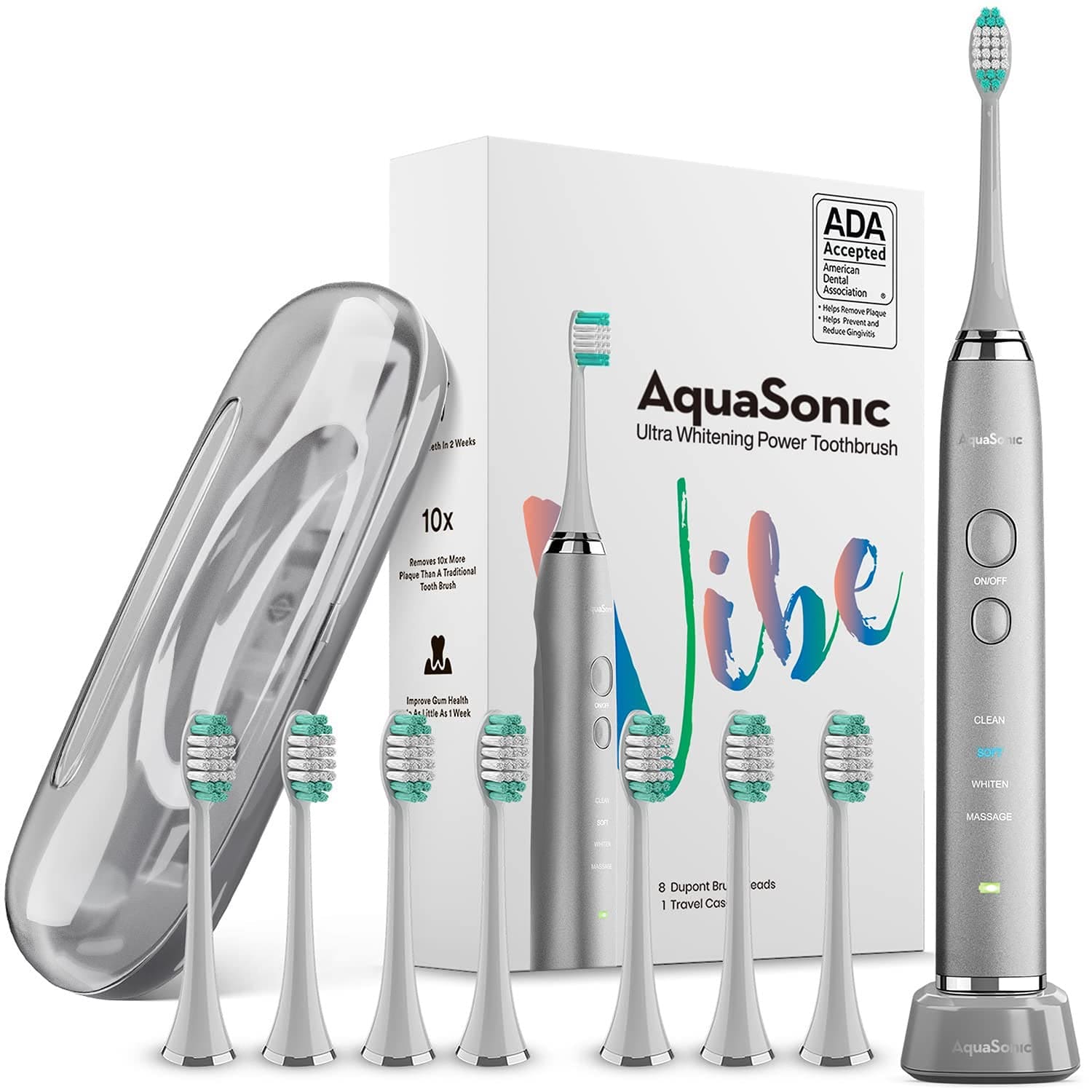
The aquasonic vibe series is one of the best electric toothbrushes that is designed with the most advanced technology and accepted by the American Dental Association (ADA). It is available in three colors and is equipped with an ultra-strong and industry-leading motor that produces 40,000 vibrations per minute which is perfect for breaking down the most stubborn plaque and stains on the teeth.
It also offers a lithium-ion battery for ultra-fast charging, four brushing modes, intelligent vibration timers, and 8 DuPont-engineered brush heads (with 2.5+ years of supply). It has four brushing modes that include a clean, soft, whitening, and massage mode, so you can customize the brushing mode based on your personal needs. It is a rechargeable toothbrush and has a long-lasting battery life of two weeks.
5. Oral B Pro Vitality Plus Criss Cross Action Electric Toothbrush
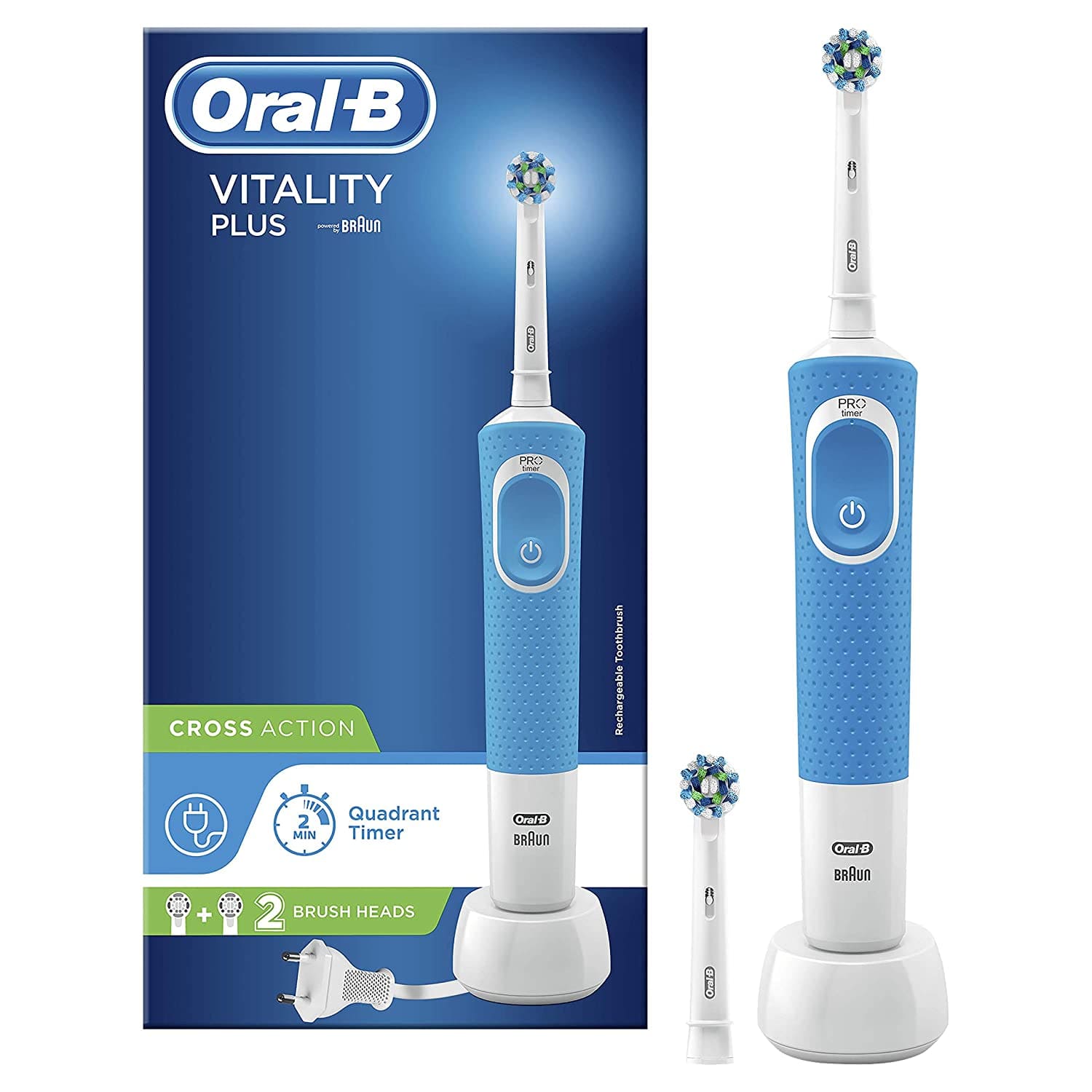
This rechargeable Oral B Pro Vitality Plus electric toothbrush is clinically proven and recommended by doctors. The rotating powerhead offers a 2D cleaning action with a rotating rate of 8000 rotations a minute, that utilizes the latest technological advancements to deliver an incredibly effective dental cleaning experience.
One of the standout features of this electric toothbrush is its unique cross-action bristles. The bristles are angled at 16 degrees, making them more effective in removing plaque and cleaning tight spaces between teeth.
With the rechargeable battery, no worries to replace batteries every few weeks. The toothbrush is designed to last up to seven days on a single charge, making it perfect for travel.
The Oral B Pro Vitality Plus comes with various cleaning modes that you can select depending on your needs. These include daily standard clean, sensitive teeth, and super sensitive plus. The toothbrush also features a built-in timer that ensures you brush for a full two minutes, as recommended by dental professionals.
6. Oral B Pro 3 Electric Rechargeable Toothbrush
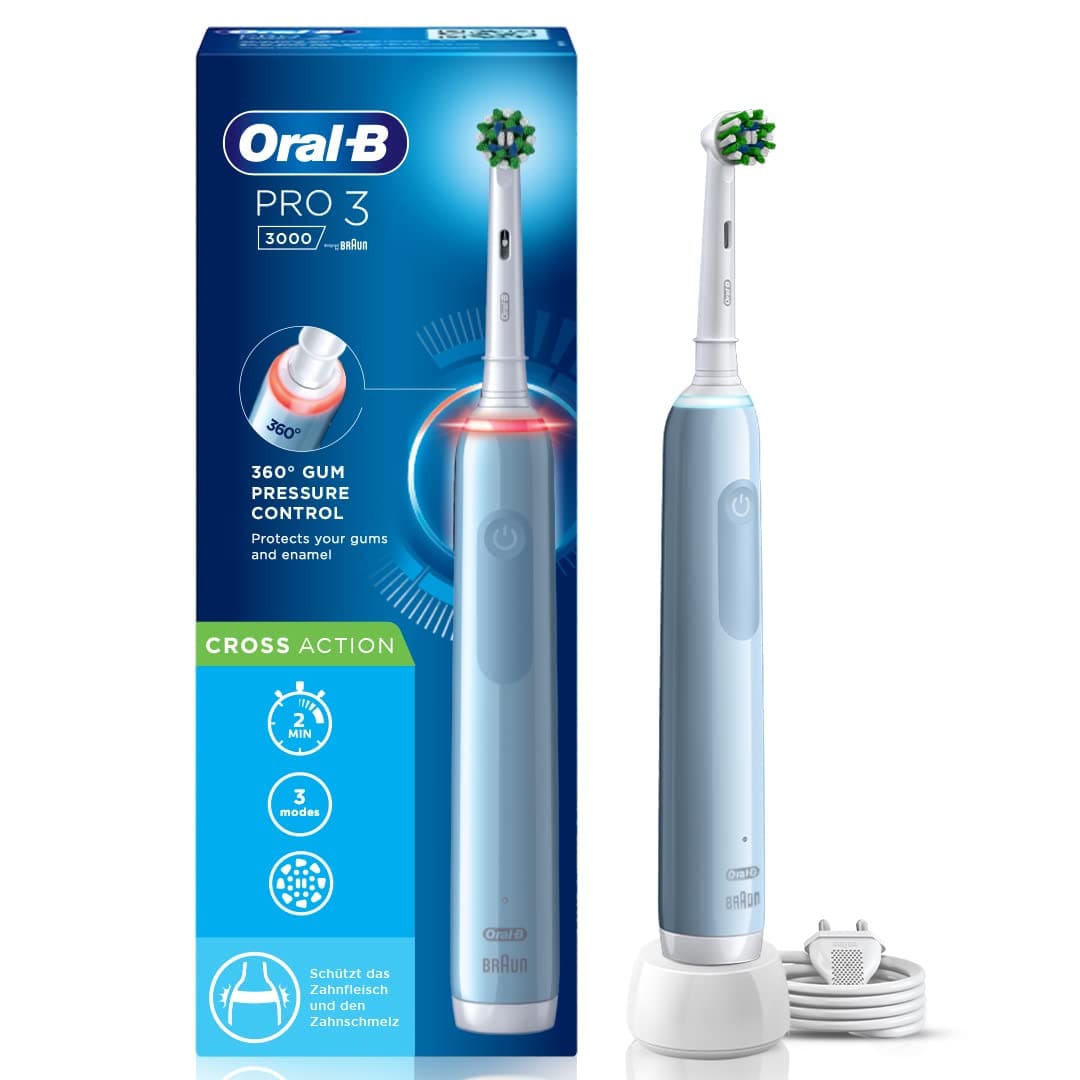
The Oral B Pro 3 is the best electric toothbrush at an affordable price. It is a great option for individuals who are looking for a basic, effective electric toothbrush. It has three brushing modes (daily clean, sensitive, and whitening), a pressure sensor to prevent you from brushing too hard, and a two-minute timer with 30-second intervals to help you brush for the recommended amount of time. The toothbrush also comes with a travel case and a single replacement brush head and the battery can last for 10 days.
Read More: Best Water Purifier for Home in India, Best Vacuum Cleaners for Home in India
7. Agaro Cosmic Plus Sonic Electric Toothbrush
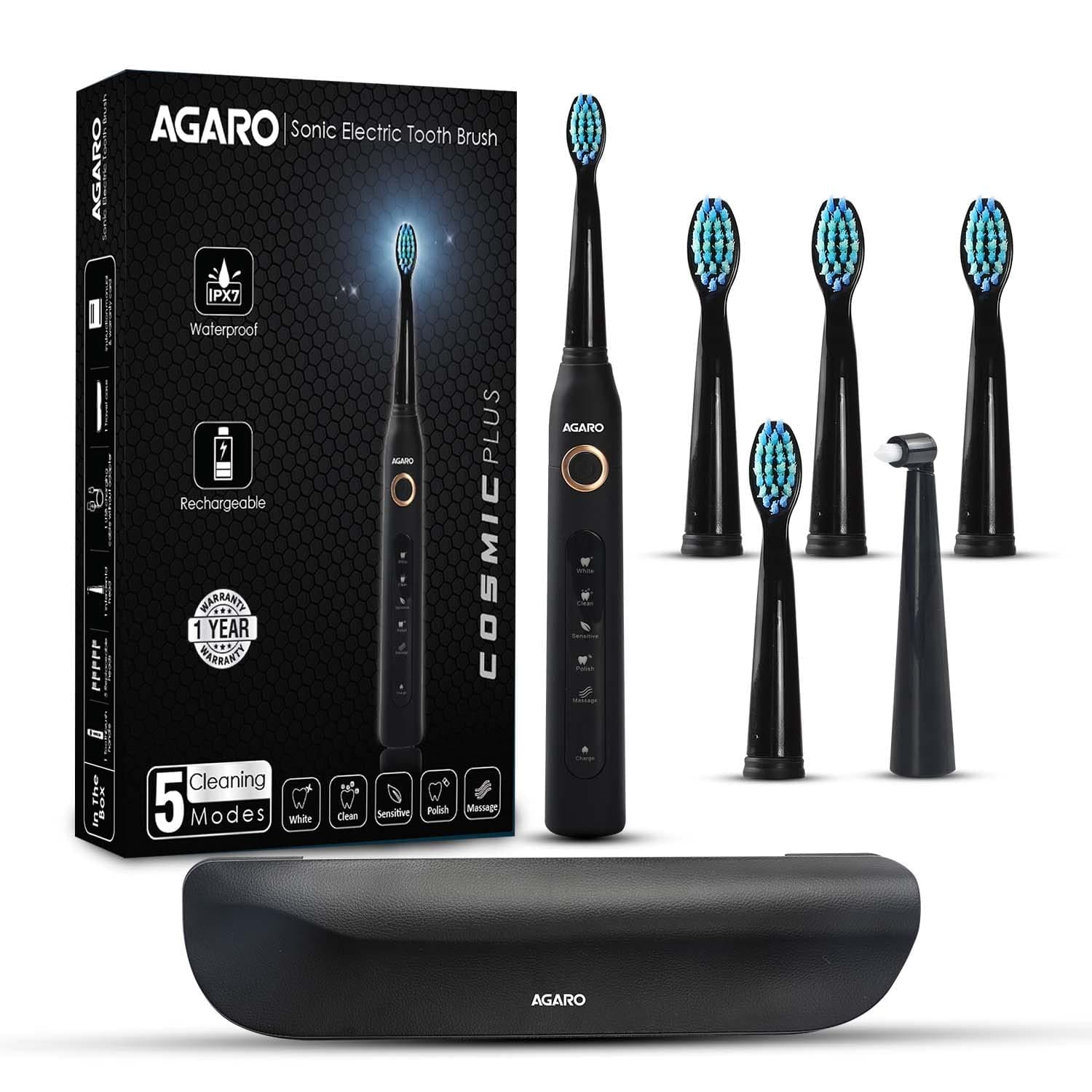
The Agaro cosmic plus sonic electric toothbrush is a low-cost yet effective toothbrush that offers basic functionality to achieve better dental care. It has a powerful motor that delivers up to 40,000 brush strokes per minute, which can help to remove plaque and bacteria from your teeth and gums.
The toothbrush also has five different cleaning modes (whitening, cleaning, sensitive, polishing, and massage), so you can modify your brushing to meet your individual needs. It also comes with an interdental head, which clears out the dirt in teeth gaps. The built-in rechargeable battery can last more than 2 weeks.
8. Oral B Vitality Floss Rechargeable Electric Toothbrush
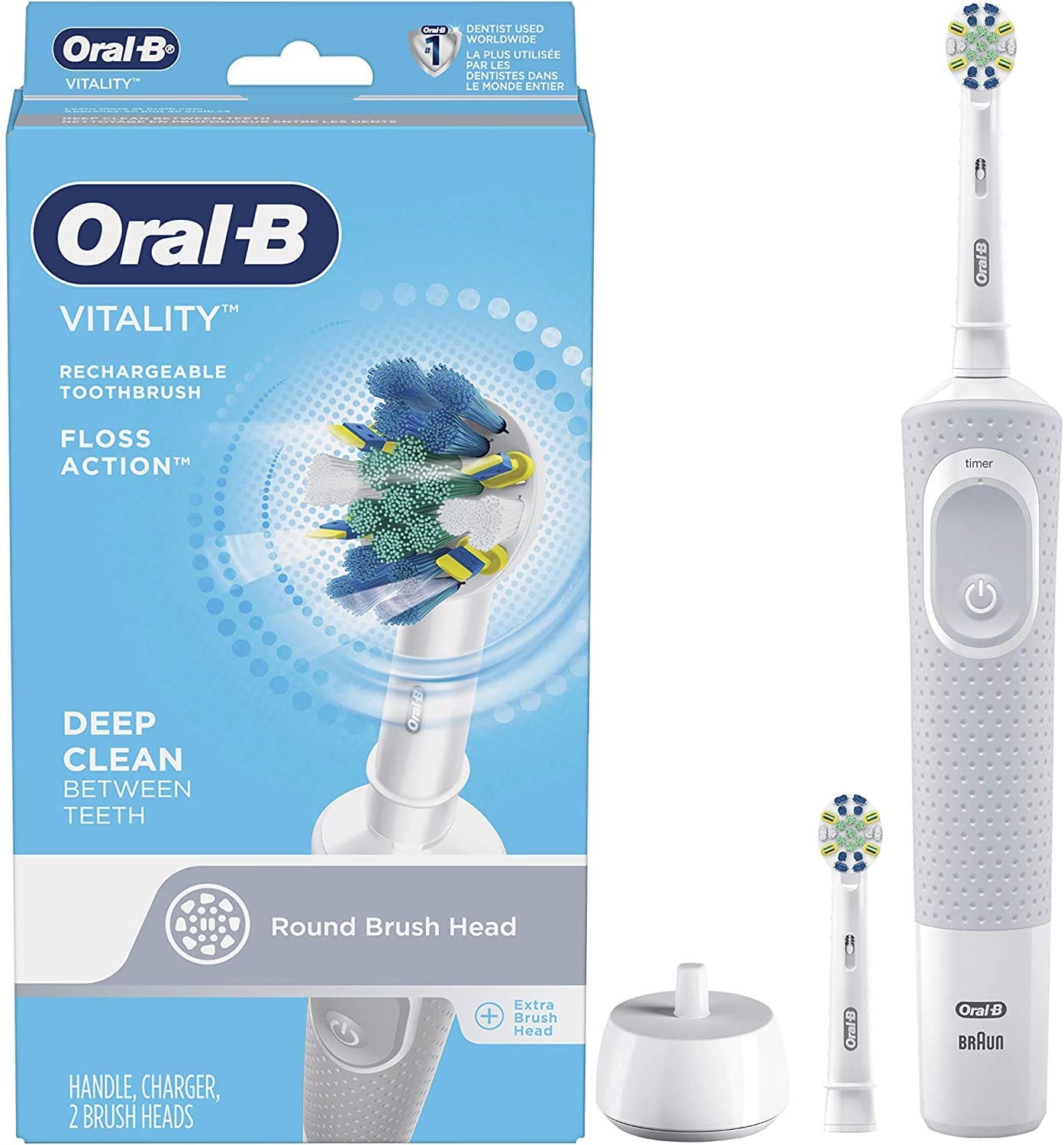
If you are looking for a high-quality replacement for your old toothbrush, then this oral b vitality floss is one of the best toothbrushes to consider. The brush head comes with unique flossing head that features micropulse bristles to clean deeply between teeth for better plaque removal. It is way better than the standard head and the old-fashioned dual action heads that come with most Oral-B brushes.
Additionally, the 2-minute timer signals after two minutes to help you brush for the recommended brushing time. It is compatible with all the different brush heads from Oral-B, so you can use it for every type of dental care based on your need: cross action, floss action, precision clean, 3D white, sensitive gum care, deep sweep, and dual Clean. Unfortunately, it does not work with the oral B iO brush heads.
9. AquaSonic DUO Ultra Whitening Electric Toothbrush
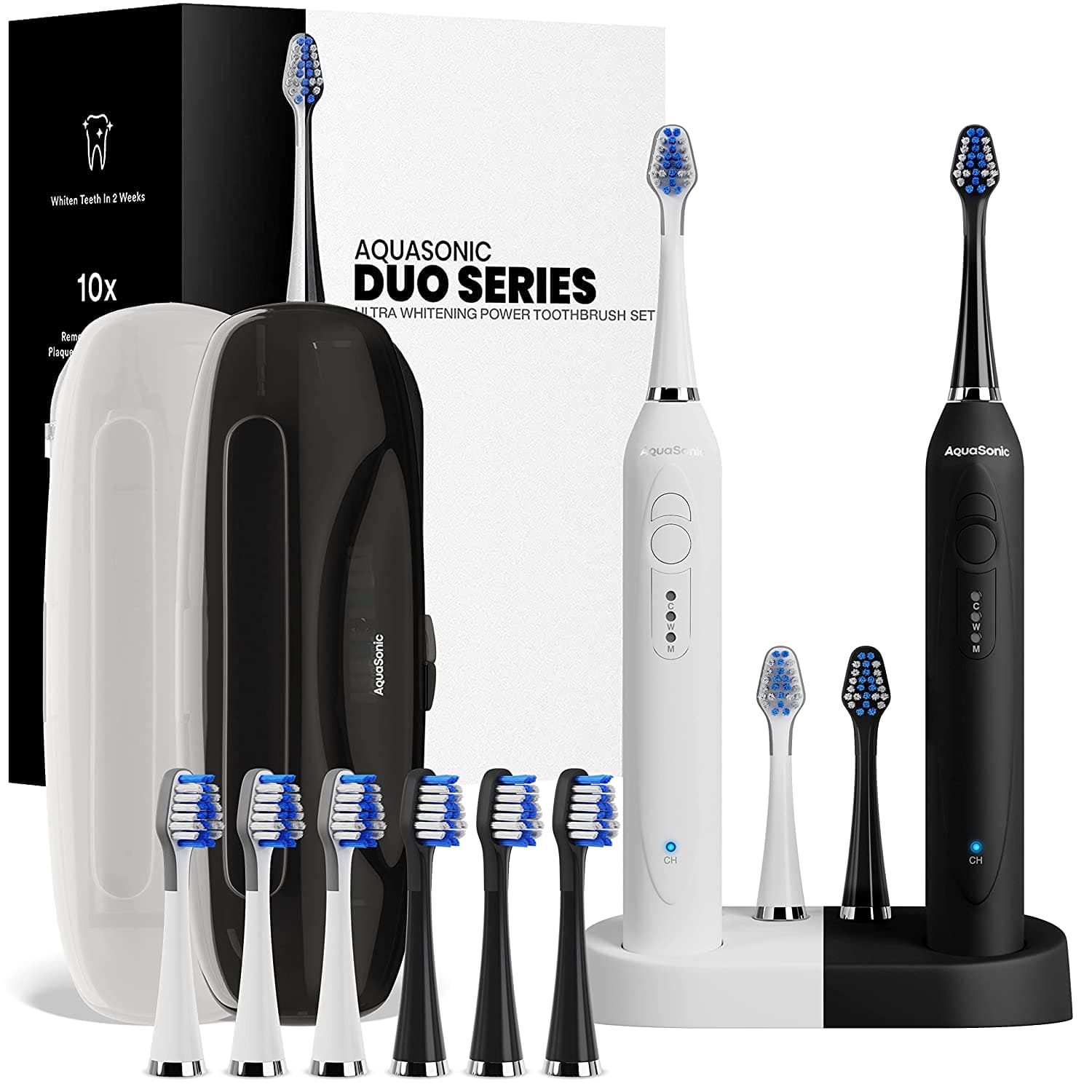
The AquaSonic Duo comes with two high-quality toothbrushes, each featuring a satin handle that is designed with an industry-leading 40,000 vibration per minute motor. The brushes remove even the most stubborn stains and plaque that may be affecting your dental health.
The ultrasonic technology not only ensures deep cleaning of your teeth but also reduces the likelihood of gum recession, which is a common problem associated with manual toothbrushes. It comes with 10 DuPont brush heads, 2 travel cases, and three brushing modes: clean mode – for deep standard clean, whiten mode – removes stains and whitens teeth, massage mode/ gum care – gently vibrates to massage the gums and improves circulation.
10. Philips Sonicare Protective Clean 5100
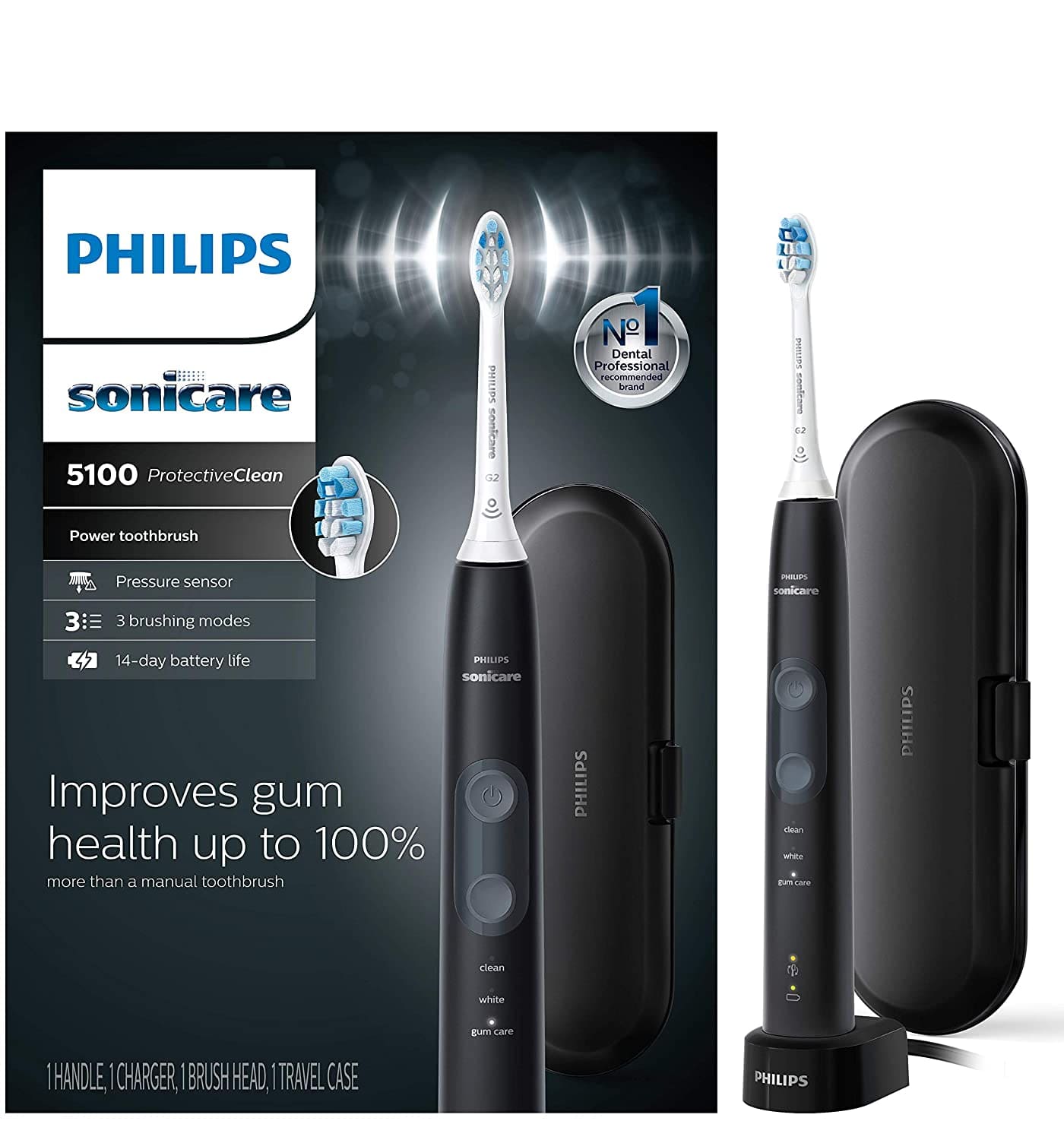
Philips Sonicare protective clean 5100 is a top-rated (4.7 Amazon ratings), the best electric toothbrush in India. It is W2 optimal white electric toothbrush that is perfect for those who want to go beyond deep cleaning to remove surface stains for a white, radiant smile. With its densely packed central stain-removal bristles, it is clinically proven to whiten teeth in just two weeks.
This toothbrush offers a range of options to suit individual preferences, with three brushing modes available. Clean mode is designed to provide superior cleaning, while the white mode is ideal for the removal of surface stains and gum care allowing for gentle massage of the gums. You can be sure of a safe brushing experience and the sonic technology is suitable for use with braces, fillings, crowns, and veneers, and helps prevent cavities and improve gum health.
Additionally, the brush head is equipped with Brush Sync technology, which tracks how long and how hard the user has been using the brush head. When it is time to replace the brush head, the user will be notified via a light on the handle and a beep sound.
11. Oral-B Vitality Dual Clean Rechargeable Electric Toothbrush
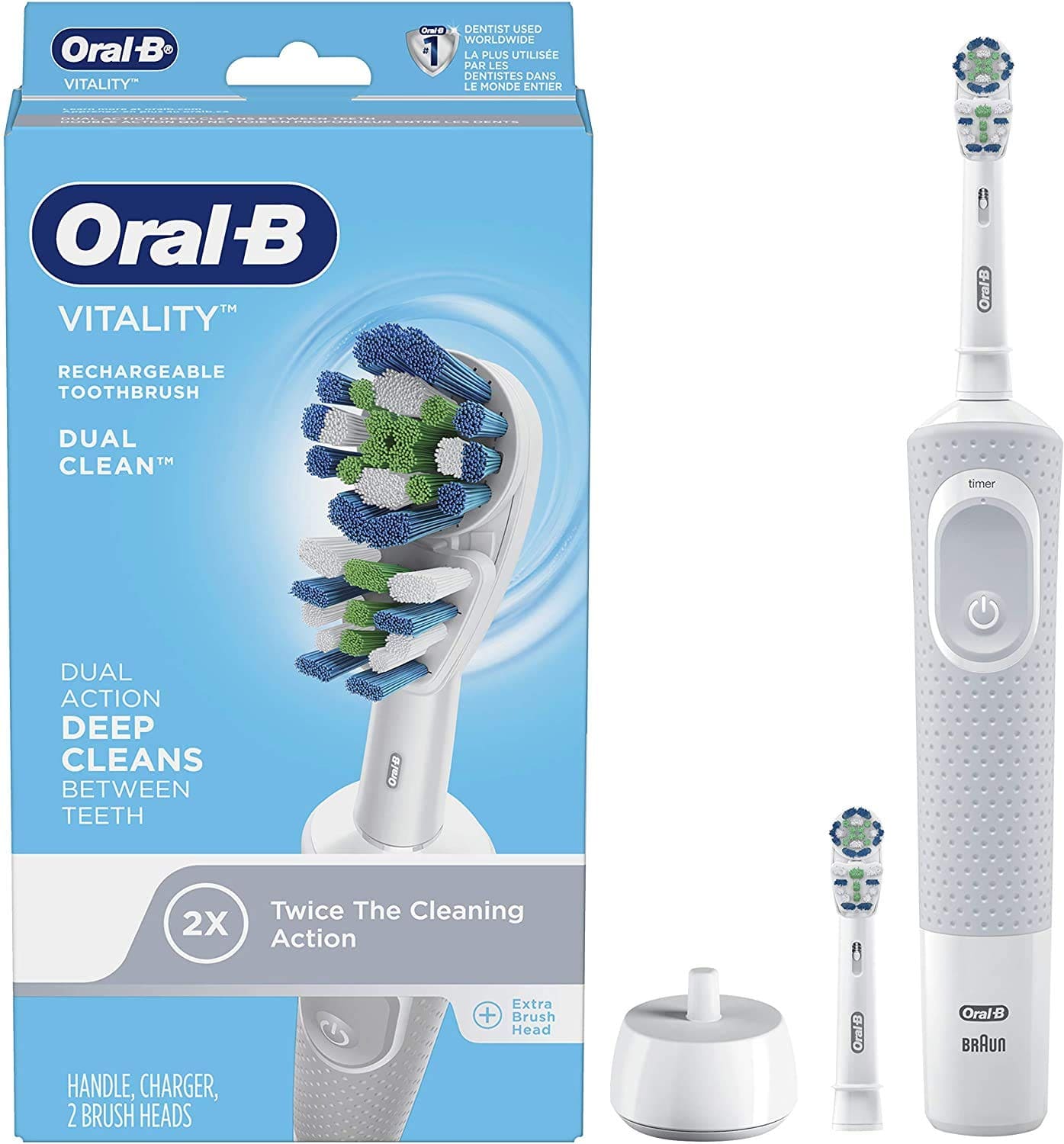
Oral-B Vitality Dual Clean Rechargeable Electric Toothbrush is designed to provide a more user-friendly experience than a manual brush. It features an oscillating brush head that moves left and right, allowing it to effectively clean areas of the teeth that are difficult to reach with a manual toothbrush.
Additionally, it is equipped with a pulse timer to indicate when the recommended two-minute brushing time has been reached. With up to 7,600 oscillations and 20,000 micro pulse bristle movements per minute, this electric toothbrush is compatible with Oral-B’s precision clean, pro-white, sensitive, and dual clean brush heads. The only drawback is that it comes with a NiMH battery which lasts only up to five days between charges.
12. Caresmith Spark Rechargeable Electric Toothbrush
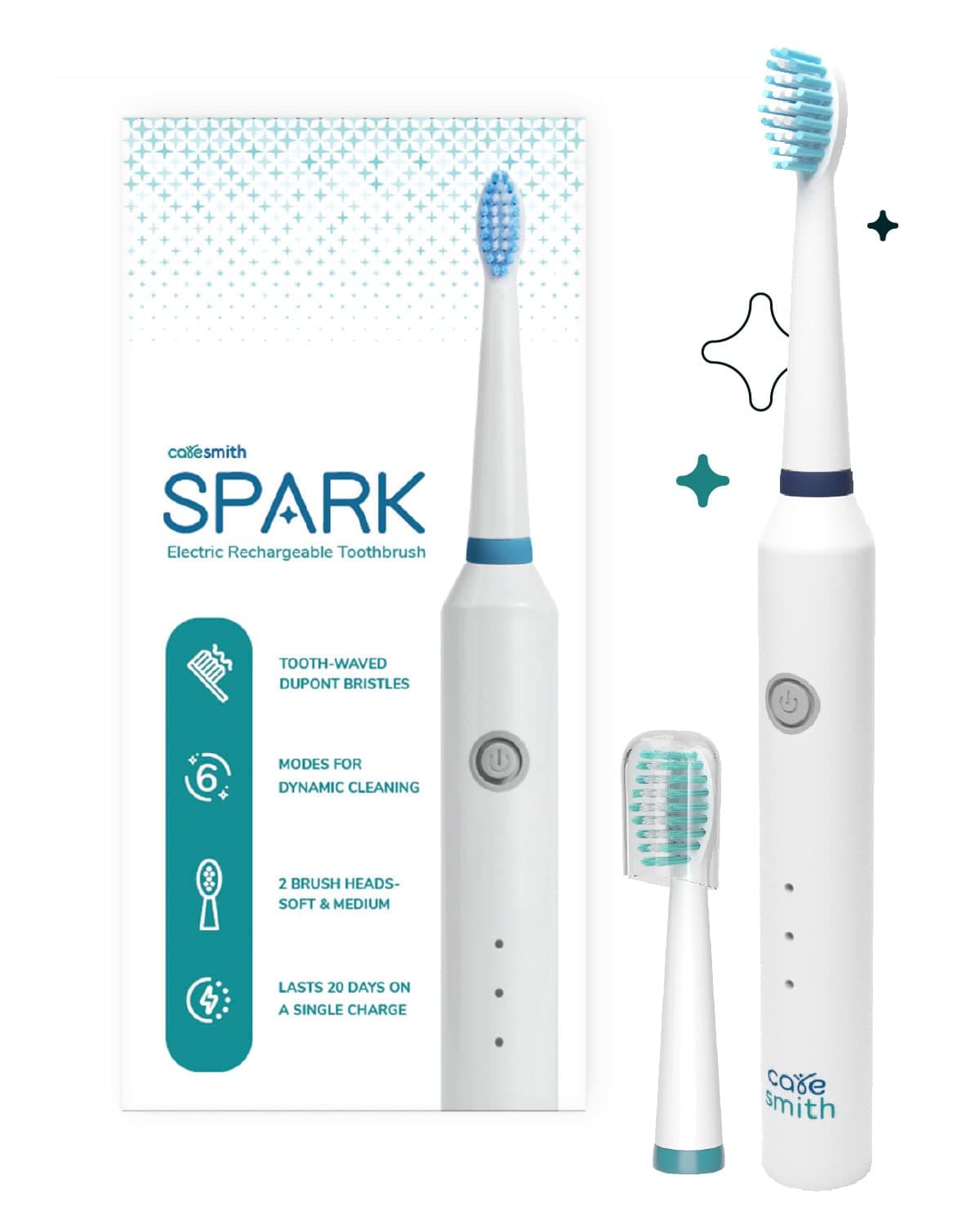
If you are not interested to spend much money on an electric toothbrush, then caresmith spark should be your choice. It features advanced sonic technology and a brush head technology that is designed to remove plaque, food particles, and bacteria with efficiency. With different brushing modes, you can choose one that best suits your needs. Not only does the Spark whiten teeth, but it is also designed to gently remove coffee, tea, and tobacco stains. Additionally, this electric toothbrush is equipped with a built-in smart timer with a Quad interval to promote attentive brushing of all quadrants of the mouth and to reinforce the recommended two-minute brushing time.
13. Oral-B Precision 7000 Electric Toothbrush (With Bluetooth)
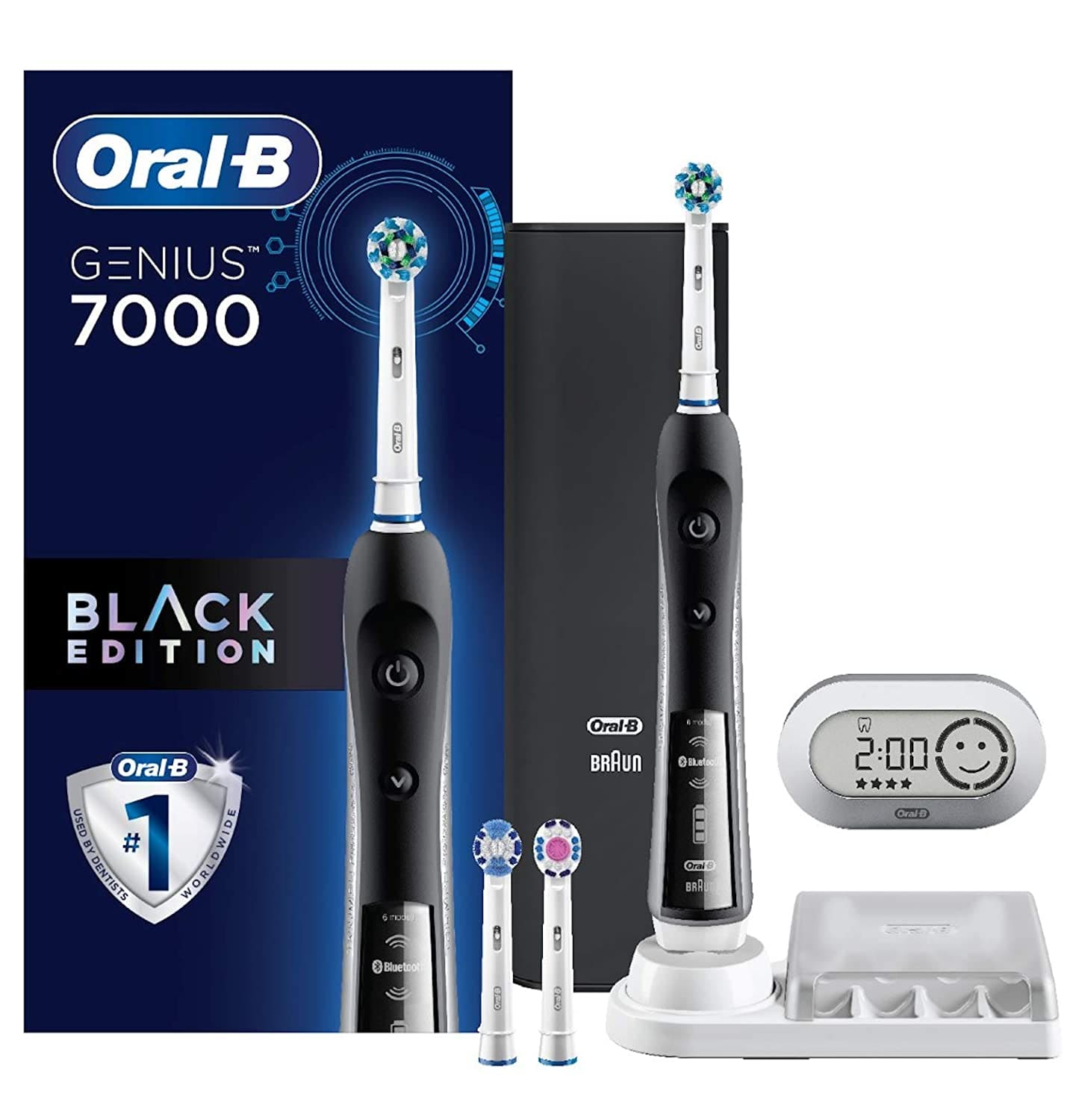
Oral B Precision 7000 is top-rated (4.7 Amazon ratings) but expensive best electric toothbrush in the market. It comes with two brush heads – cross action and Floss action. Cross action brush heads are the most advanced and feature precision angled bristles, while floss action brush heads sweep away plaque and help fight sensitivity. So, it promises to provide you with the best clean every time you use it. And if you need something to help with other oral health needs, it is compatible with any brush head made by Oral-B.
Bluetooth is another main feature of this electric toothbrush. You can download the 7000 Smart Series app on your phone and connect it to Bluetooth for real-time feedback about your brushing habits. This power brush is the only one that communicates (via Bluetooth) while you are brushing your teeth, so you will not have to wonder if you are receiving a superior clean that you will be aware of. It allows you to brush the dentist’s recommended 2 minutes with informative oral care advice and rewards.
Additionally, it allows you to track your brushing habits through intuitive charts and graphs and stores up to 6 months’ worth of personal brushing data. The triple pressure sensor warns you when you are brushing too hard, thus preventing unnecessary over-brushing.
Why We Should Use Electric Toothbrush?
Electric toothbrushes have revolutionized the way we take care of our teeth and gums. They come with a range of features that make dental or oral hygiene easier, more efficient, and more enjoyable. Here are a few reasons why you should use electric toothbrushes over manual ones.
1. More Effective Cleaning
One of the biggest advantages of electric toothbrushes is that they’re way better at cleaning your teeth than a regular toothbrush. An electric toothbrush uses a rotating or oscillating brush head that vibrates at a high speed to get rid of plaque and other stuff that can clog up your gums and teeth. It is the best way to get a superior cleaning, which is hard to do with a regular toothbrush.
2. Multiple Brushing Modes
One of the most important benefits of using an electric toothbrush is the ability to choose from multiple brushing modes. Most electric toothbrushes come with various brushing modes, such as deep cleaning, gum care, sensitive mode, and whitening mode. These different modes allow you to customize your brushing experience based on your needs and preferences. For example, if you have sensitive teeth, you can opt for the sensitive mode for a gentler cleaning experience.
3. Automatic Timer
Most electric toothbrushes have an automatic timer, which means you only have to brush for two minutes at a time. That is the recommended amount of time to get a good cleaning. Some electric toothbrushes even have a quadrant timer, which lets you know every 30 seconds when it is time to switch to another part of your mouth. By using an electric toothbrush with an automatic timer, you can be sure that you are brushing for the right amount of time and getting a thorough cleaning.
4. Pressure Sensor
Most electric toothbrushes have a built-in pressure sensor that warns you when you are brushing too hard. When you brush too hard, it can damage your gums and enamel, which can lead to sensitivity and other issues with your teeth. A pressure sensor prevents this by warning you if you are using too much pressure, so you can adjust your brushing technique accordingly.
5. Interchangeable Brush Heads
Electric toothbrushes usually come with interchangeable brush heads, so you can pick the one that works best for you. Different sizes and shapes of brush heads are available, plus you can choose between soft and hard bristles if that is what you prefer. Interchangeable brush heads also make it easy to replace your brush head when it is time for a new one, ensuring that you always have an effective cleaning experience.
6. Rechargeable Batteries
The rechargeable batteries included in electric toothbrushes eliminate the need for frequent battery replacement. This feature guarantees that the toothbrush is ready to use at all times, thus reducing the amount of waste generated by disposable batteries.
Electric toothbrushes have come a long way since their inception. They come with a wide range of features that make dental hygiene easier and more efficient. With multiple brushing modes, automatic timers, and pressure sensors, electric toothbrushes provide a convenient and effective way to maintain dental health. Finding the best electric toothbrush is always important.
How to Maintain an Electric Toothbrush?
Clean the brush head regularly: Over time, debris and bacteria can build up on the brush head, leading to a less effective clean and potential health risks. Most electric toothbrushes come with removable brush heads, which should be cleaned thoroughly at least once a week. Simply remove the brush head from the handle and wash it under running water. For an even deeper clean, you can soak the brush head in mouthwash or a cleaning solution for a few minutes before rinsing.
After brushing, ensure that the toothbrush is thoroughly dried. This will help to prevent the accumulation of bacteria. The toothbrush can be dried by air-drying or by using a clean towel.
Replace the brush head every few months: Brush heads will wear out over time, even with regular cleaning. Most toothbrush manufacturers suggest replacing your brush head every 3 to 4 months. While few electric toothbrushes have built-in sensors that will tell you when it is time to replace your brush head, others require you to manually track your brush head replacement. Either way, you will want to note the date you installed it to make sure the exact date is to be replaced.
Keep the handle clean: While the brush head is the most significant part of the electric toothbrush, the handle also needs to be cleaned on a regular basis to avoid the accumulation of bacteria and other germs. Clean the handle by using a damp cloth to wipe it down, or with any disinfectants. Make sure to clean any buttons and crevices that could be breeding grounds for bacteria.
Store the toothbrush properly: When not in use, electric toothbrushes should be stored in a clean, dry place. Leaving them lying on a bathroom counter can expose them to moisture and bacteria. Always store your toothbrush upright.
Summary
When it comes to choosing the right electric toothbrush, we always go with the top brands. That is why we have listed some of the most popular electric toothbrushes on the market today. From Philips Sonicare to Oral-B to Aquasonic, you are sure to find the perfect electric toothbrush for you. This recommendation is because you will get interchangeable brush heads easily for these top brands.
Frequently Asked Questions (FAQs)
Yes, it is usually safe to use an electric toothbrush daily. However, you will want to make sure you are using it correctly so your teeth and gums do not get hurt. Follow these for daily usage: use a soft-bristled brush head since hard-bristled brush heads can damage your gums. Do not brush too hard, only apply light pressure when brushing. Brush only for two minutes, twice a day which is the amount of time dentists recommend for brushing your teeth.
Manual and electric toothbrushes are both effective when used correctly, but it really comes down to personal preference. Both can do a great job brushing your teeth; however, an electric toothbrush has some cool features like pressure sensors, brushing modes, and timers. The electric toothbrush is more effective in removing plaque and other sorts of oral issues compared to the manual toothbrush.